
Installing Barbed Wire on Y-Posts: Field Guide
Step-by-step sequence for setting, aligning and tensioning a barbed wire fence that stays tight for years.
1. Set the anchors first
Corners and gate posts carry the entire tension of the run. Concrete them, brace them diagonally, and let the concrete cure before pulling any wire.
2. Run a string line
A taut mason's line between anchors is the difference between a fence that looks engineered and one that looks improvised. Set every line post to the string, not by eye.
3. Drive line posts
- Use a driving cap to protect the post head and its galvanizing.
- Keep the flange orientation consistent along the whole run.
- Check plumb every fifth post, both along and across the line.
4. Tension in the right order
- Fix the bottom strand first — it sets the fence geometry.
- Work upward, tensioning each strand from the anchor end.
- Use a wire strainer, never a vehicle.
- Leave a small amount of sag for thermal movement in summer.
5. Final walk
Walk the full run and check clip seating, strand spacing and post plumb. Fixing five minutes of misalignment now is far cheaper than a re-tension visit next season.
Fence Master Editorial
Wire Shoppe Pvt Ltd, Nagpur — manufacturers of AGRION Y-shape and FIELDKARE L-shape fence posts, supplying bulk buyers across India.
Continue reading
 Guide
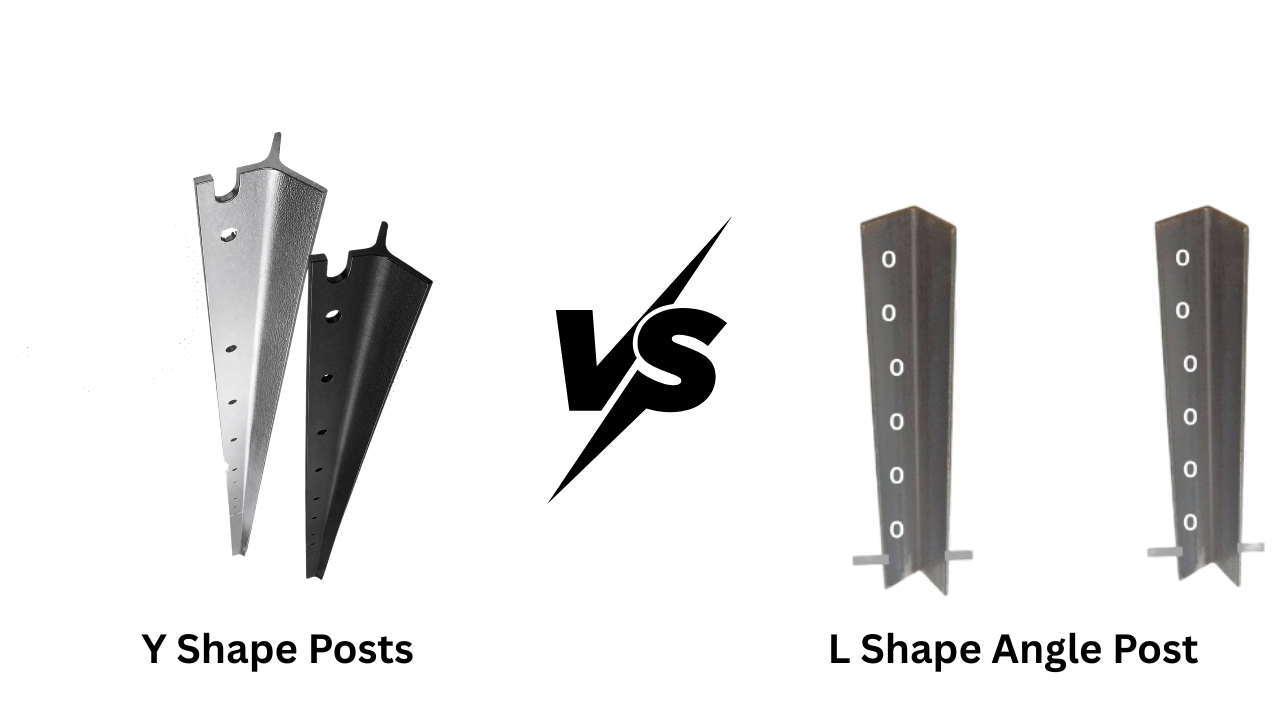
GuideY-Shape vs L-Shape Fence Posts: Which to Choose?
A practical comparison of Y-profile and L-angle fence posts on strength, wind load, cost per acre, installation speed and service life.
Read article Solar
SolarFencing for Utility-Scale Solar Parks
Post heights, spacing, wind loading and documentation for solar boundary fencing that clears an EPC audit.
Read article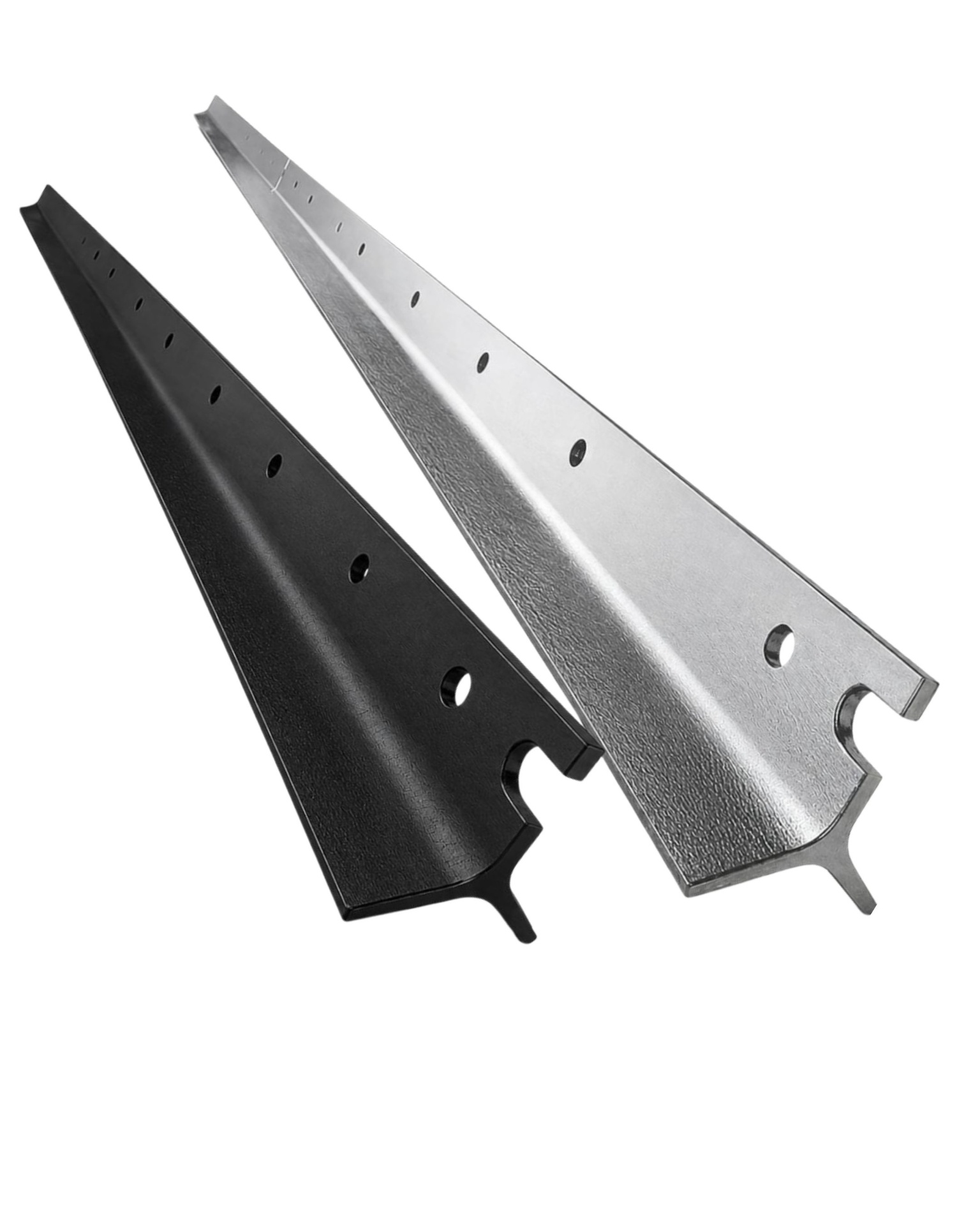 Material
Why Bitumen Coating Extends Fence Post Life
Galvanization protects the post above ground. Bitumen protects it where posts actually fail — at the soil line.
Read article