
Y-Shape vs L-Shape Fence Posts: Which to Choose?
A practical comparison of Y-profile and L-angle fence posts on strength, wind load, cost per acre, installation speed and service life.
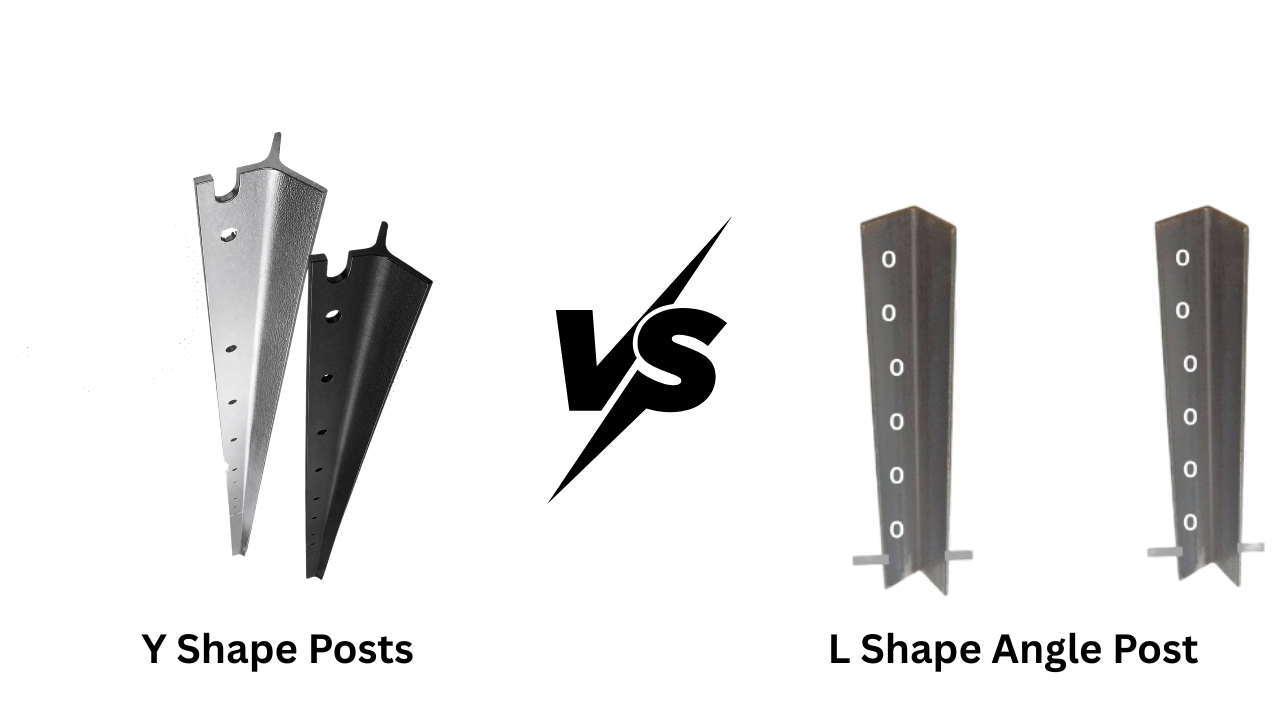
Every fencing project starts with the same question: which post profile should we buy? The answer changes the cost per acre, the labour bill, and how the fence behaves in its tenth monsoon. This guide compares the two profiles we manufacture — the Y-profile AGRION and the L-angle FIELDKARE — on the criteria that actually matter to bulk buyers.
The short answer
Head-to-head comparison
| Criteria | Y-Profile (AGRION) | L-Angle (FIELDKARE) |
|---|---|---|
| Wind resistance | Excellent — three flanges split airflow | Good |
| Strength-to-weight | Higher stiffness per kg | Standard |
| Cost per running foot | Premium | Economical |
| Installation speed | Drive-in, no concrete on most soils | Drive-in or concreted |
| Wire fixing | Pre-punched holes on all flanges | Pre-punched on both legs |
| Best for | Solar, orchards, high-wind farms | Boundary, partition, poultry, plantation |
| Typical life (galvanized + bitumen) | 15–20 years | 12–18 years |
Why the Y-profile handles wind better
A Y-section presents three flanges at 120° to each other. Whatever direction the gust comes from, at least one flange resists bending on its strong axis, so deflection stays low and the post returns to true. An L-angle has one strong axis and one weak axis — hit the weak axis with a sustained cross-wind and a loaded fence line, and you get progressive lean.
Cost per acre, not cost per post
Buyers often compare the price of a single post. That is the wrong unit. Compare the delivered cost of a complete acre:
- Measure the perimeter (a square acre is roughly 835 running feet).
- Divide by your spacing — 10 ft is standard, 8 ft for cattle or high tension.
- Add 4 corner/strainer posts and 2 posts per gate opening.
- Multiply by the delivered per-post rate, including freight and GST.
At 10-foot spacing that is about 84 posts per acre. On that basis the Y-profile premium usually works out to a small share of total project cost, while removing the biggest long-term risk — re-straightening a leaning fence line.
Installation notes
- Drive posts to at least one-third of their length below ground.
- Use a driving cap; never hammer the bare post head.
- Set corner and gate posts first, then run a string line.
- Tension barbed wire from the strainer end, never mid-run.
- Where soil is loose or waterlogged, concrete the corners only.
The post you never have to go back and fix is always the cheaper post.
— Fence Master field team
Which one should you order?
If the perimeter is exposed, protects high-value assets, or is expected to outlive a decade of maintenance budgets, order AGRION. If you are fencing large internal areas at the lowest sensible cost, order FIELDKARE. Many projects use both — Y-posts on the outer boundary, L-angles on internal divisions.
Need a quote for your perimeter?
Factory-direct wholesale pricing on AGRION Y-posts and FIELDKARE L-angles, delivered PAN India with GST billing.
Get Wholesale PriceFrequently asked questions
Y-shape posts offer superior wind resistance and strength-to-weight ratio thanks to their aerodynamic profile, making them ideal for open farms and solar parks. L-shape posts are cost-effective and quick to install, best for boundary and internal partition fencing.
Fence Master Editorial
Wire Shoppe Pvt Ltd, Nagpur — manufacturers of AGRION Y-shape and FIELDKARE L-shape fence posts, supplying bulk buyers across India.
Continue reading
 Material
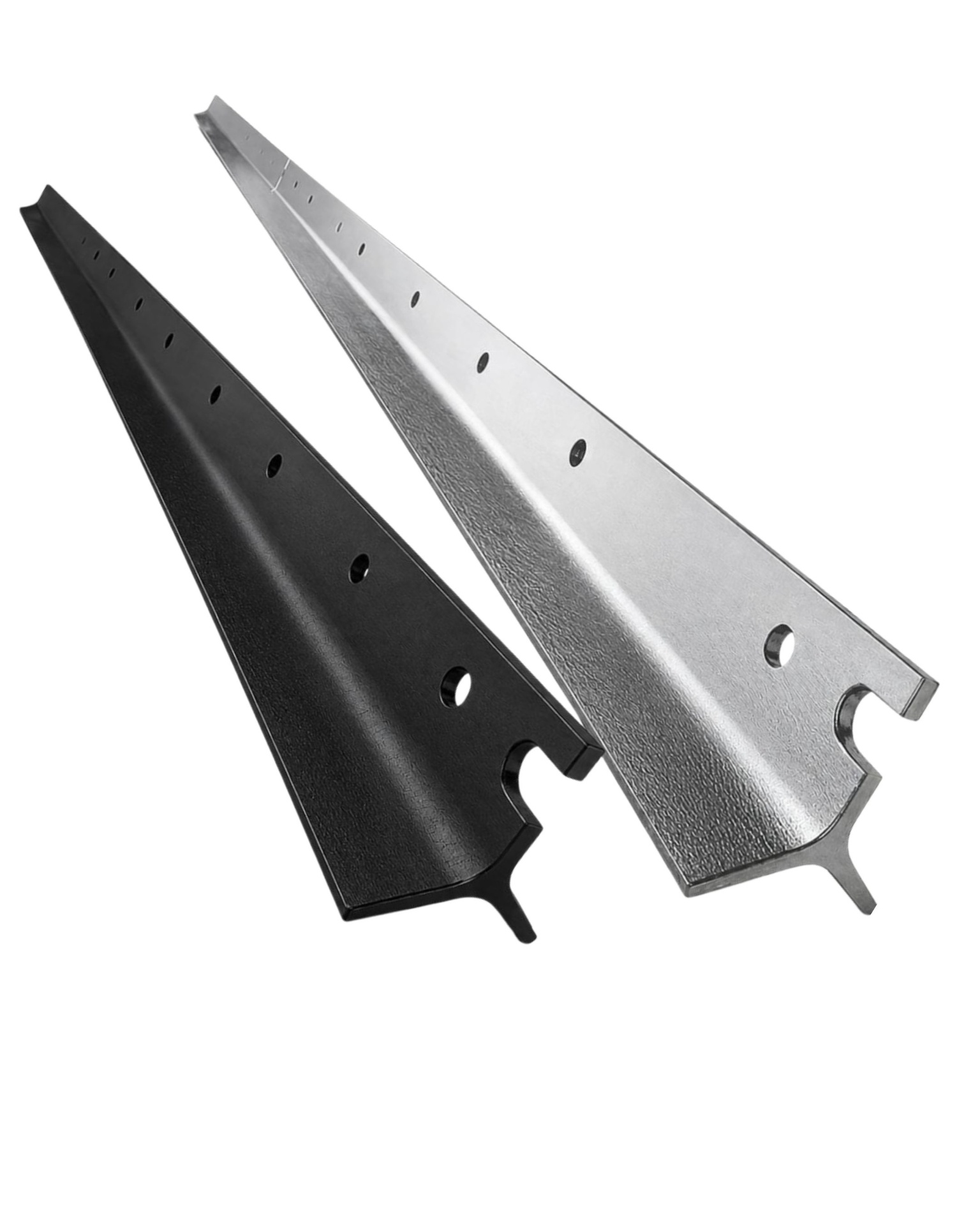
Why Bitumen Coating Extends Fence Post Life
Galvanization protects the post above ground. Bitumen protects it where posts actually fail — at the soil line.
Read article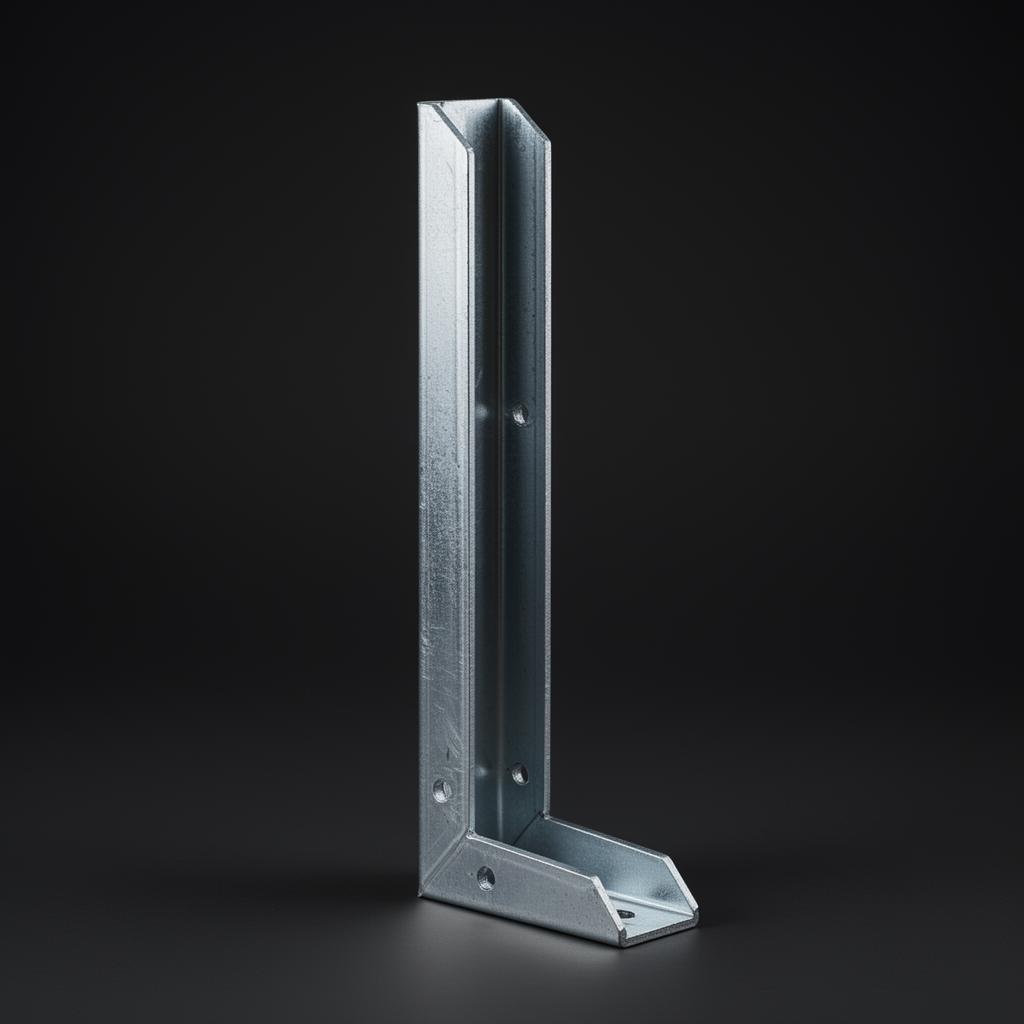 Planning
How to Estimate Fence Posts Per Acre
Simple formulas and a ready reckoner for common Indian farm sizes, plus the extras estimators always forget.
Read article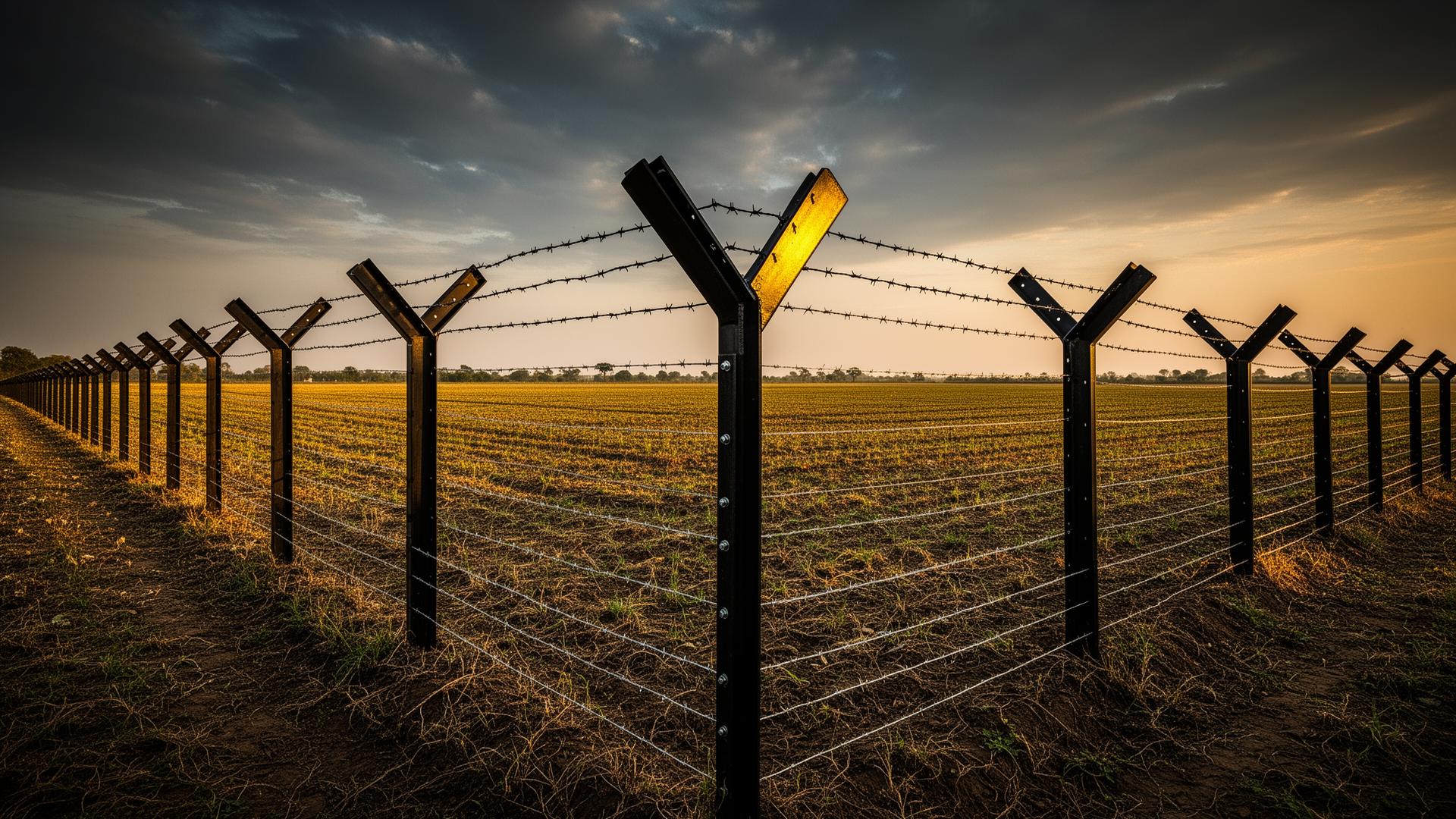 Solar
SolarFencing for Utility-Scale Solar Parks
Post heights, spacing, wind loading and documentation for solar boundary fencing that clears an EPC audit.
Read article