
Why Bitumen Coating Extends Fence Post Life
Galvanization protects the post above ground. Bitumen protects it where posts actually fail — at the soil line.
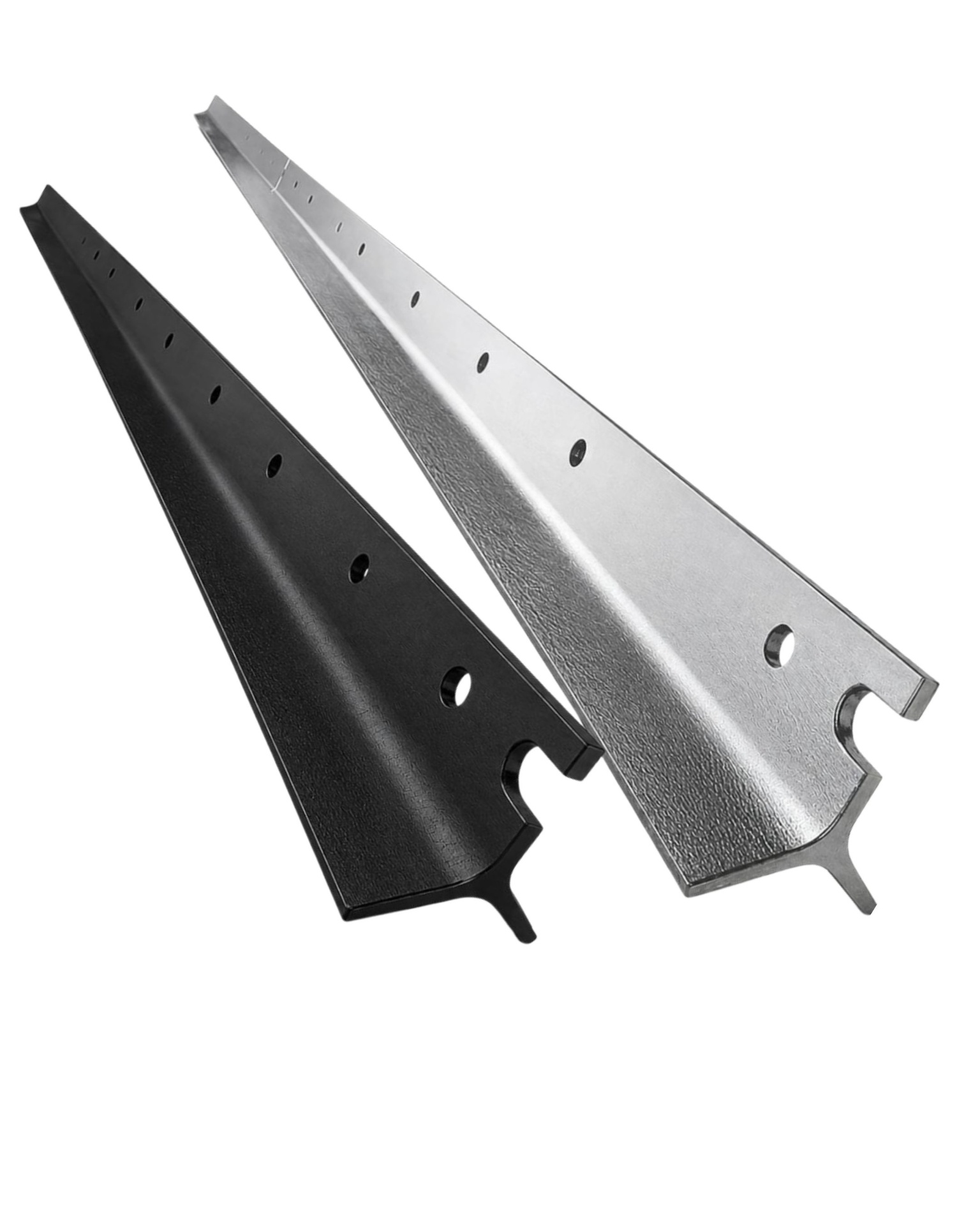
Steel fence posts almost never fail in the middle. They fail in a narrow band of 150–300 mm either side of the soil line, where moisture, oxygen and soil salts meet.
What galvanization does
Hot-dip galvanizing bonds a zinc layer to the steel. Zinc corrodes sacrificially — it gives itself up before the steel does. Above ground, in dry air, that layer lasts for decades.
What galvanization cannot do alone
Below ground the chemistry changes. Wet, aerated, salt-bearing soil consumes zinc several times faster than open air. Add monsoon wet-dry cycling and the buried zinc budget is spent long before the rest of the post.
The bitumen layer
- Applied over the galvanized base, typically 450–600 mm up the post.
- Forms a flexible, water-impermeable barrier — it does not chip like paint.
- Isolates zinc from soil salts, so the zinc is spent slowly.
- Tolerates driving impact; minor scuffs self-seal in summer heat.
Does it pay for itself?
| Specification | Typical service life | Relative cost |
|---|---|---|
| Plain painted post | 4–7 years | Lowest |
| Hot-dip galvanized | 10–14 years | Standard |
| Galvanized + bitumen base | 15–20 years | Small premium |
Replacing a fence line costs far more in labour and downtime than it does in steel. A coating premium of a few percent that adds five or more years is, in almost every project we have costed, the cheapest decision on the sheet.
Fence Master Editorial
Wire Shoppe Pvt Ltd, Nagpur — manufacturers of AGRION Y-shape and FIELDKARE L-shape fence posts, supplying bulk buyers across India.
Continue reading
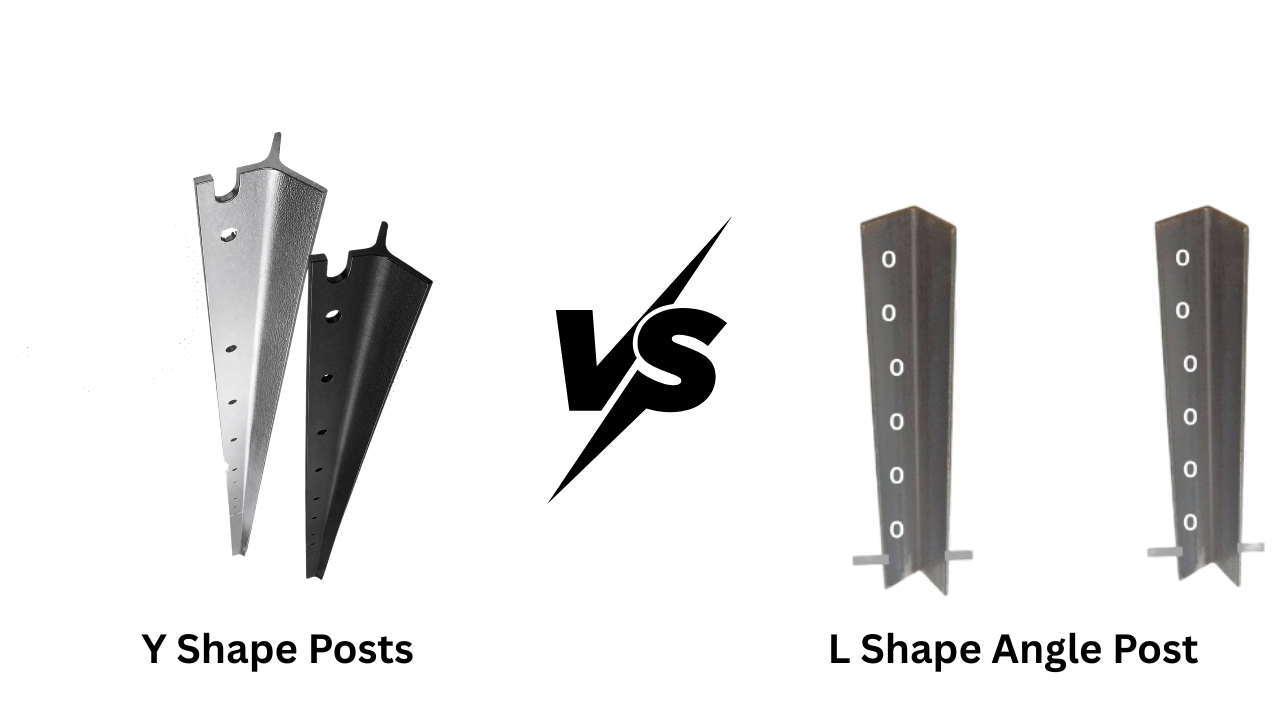 Guide
GuideY-Shape vs L-Shape Fence Posts: Which to Choose?
A practical comparison of Y-profile and L-angle fence posts on strength, wind load, cost per acre, installation speed and service life.
Read article Solar
SolarFencing for Utility-Scale Solar Parks
Post heights, spacing, wind loading and documentation for solar boundary fencing that clears an EPC audit.
Read article Planning
How to Estimate Fence Posts Per Acre
Simple formulas and a ready reckoner for common Indian farm sizes, plus the extras estimators always forget.
Read article